

Social media is excellent for reaching people, but it is a rented space. In 2026 many businesses have learned this the hard way when algorithm changes reduced their reach or when platform rules affected their accounts. A WordPress website provides a stable alternative that the business owns.
A well-structured site allows a company to present its full range of services, share detailed case studies, and capture enquiries through forms that feed directly into its own systems. Blog content published on the site can rank in search engines for years, bringing in visitors long after a social post has disappeared from feeds.
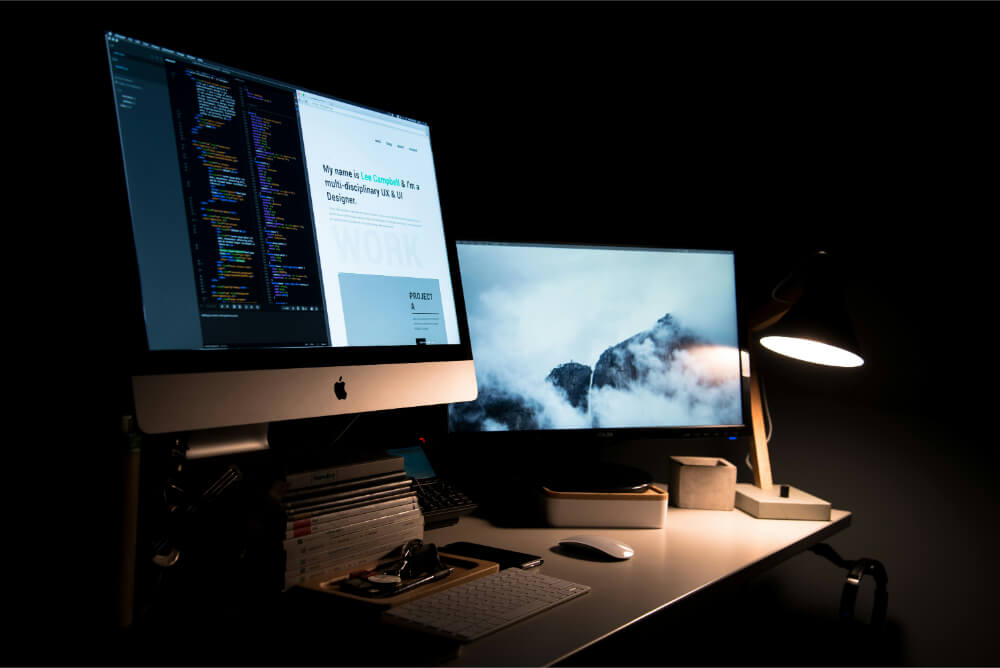
Design quality influences how this presence is perceived. A site that loads quickly, looks consistent on mobile, and guides visitors toward clear next steps performs better than one that is merely “present.” WordPress makes it possible to achieve this level of quality without enterprise-level budgets, provided the design and development are handled thoughtfully.
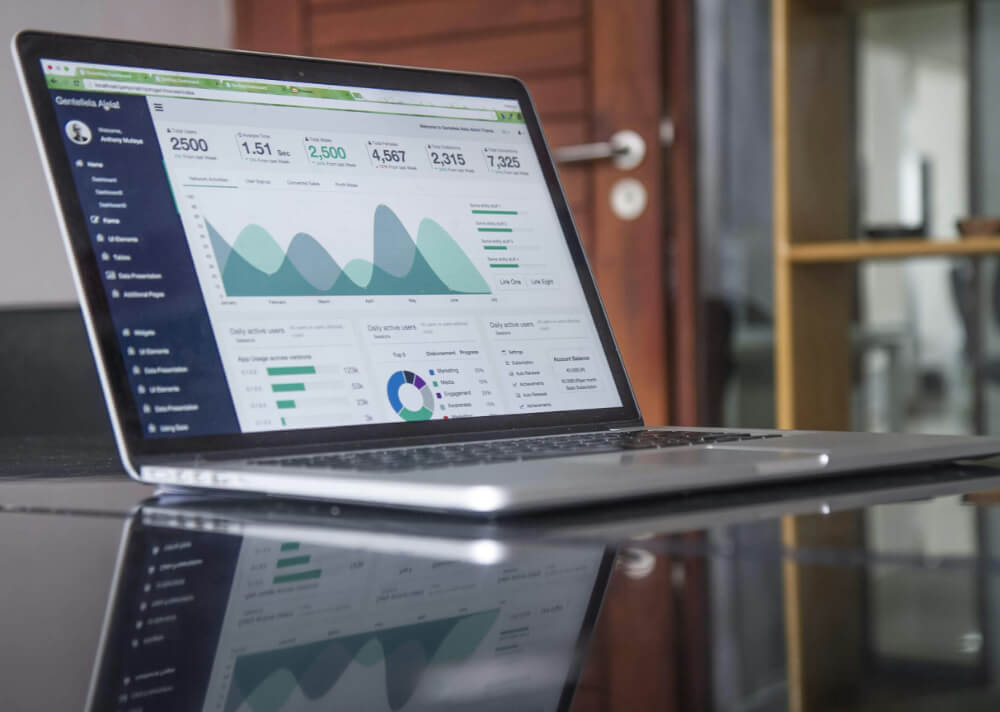
Search visibility remains one of the strongest reasons to invest in a proper website. Social profiles rarely rank for meaningful commercial search terms. A WordPress site with clear service pages, good technical foundations, and useful content can attract people who are actively looking for solutions.
For designers advising clients, the recommendation in 2026 is balanced. Maintain an active social presence for reach and relationship building, but treat the website as the central, owned asset. When both work together—social driving traffic to a strong site—the results are significantly better than relying on either channel alone.