

In 2026 many small businesses still ask whether they really need a website when they already have social media profiles. The short answer is yes. While platforms like Instagram, LinkedIn, and TikTok are valuable for visibility, they do not replace the role of a professional website.
A website is the only digital space a business fully controls. Algorithms change, accounts can be restricted, and organic reach on social platforms continues to decline. A WordPress site, by contrast, remains available around the clock and can be structured exactly as the business needs. It serves as a central hub that collects leads, explains services clearly, and builds credibility over time.
Research consistently shows that most people research a business online before making contact or a purchase. A clean, fast, mobile-friendly website signals professionalism. A neglected or outdated site does the opposite. In competitive markets, the quality of a company’s online presence often influences whether a potential client decides to enquire.
WordPress remains one of the strongest platforms for this purpose because it balances flexibility with relative ease of management. Businesses can publish service pages, case studies, blog content, and contact forms without needing constant developer involvement once the site is properly built. Good WordPress design also supports search visibility, which social profiles alone cannot achieve as effectively.
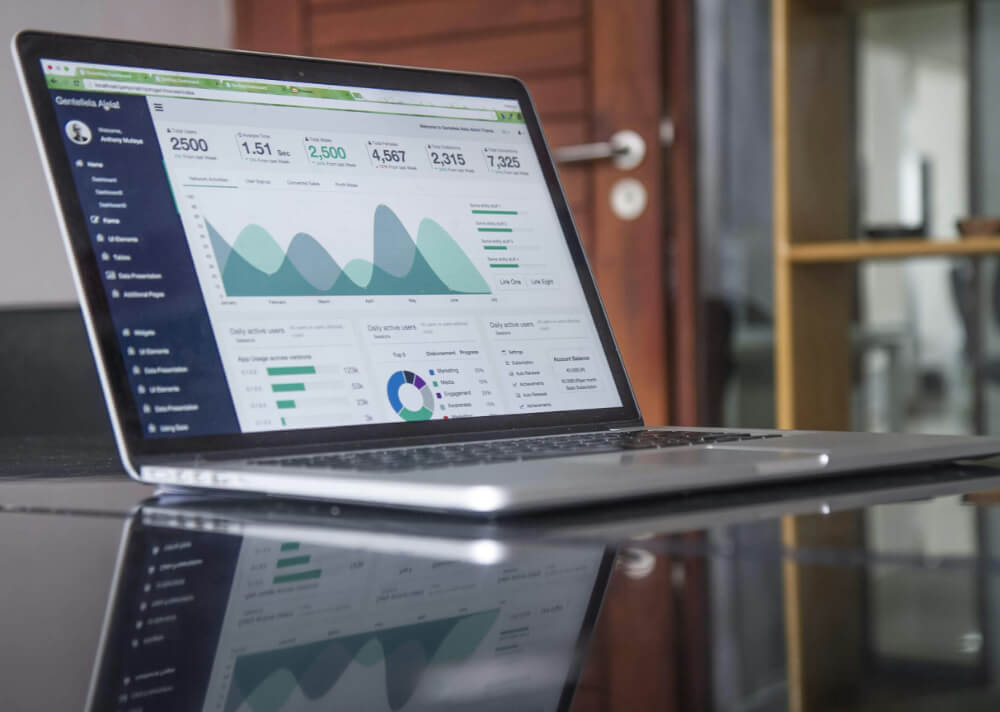
Another practical advantage is data ownership. On a website, a business can track which pages perform well, where visitors drop off, and which calls to action convert. This information is harder to obtain and act on when relying solely on third-party platforms.
For designers working with clients in 2026, the message is straightforward: a well-designed WordPress website is still one of the highest-leverage investments a business can make in its online presence. Social media amplifies the message; the website carries the weight of trust, clarity, and conversion.